Resilient Vinyl Flooring is an essential aspect of modern interior design, combining aesthetic appeal with practicality. As more homeowners and businesses seek durable yet stylish flooring options, luxury vinyl tiles have emerged as a popular choice. However, ensuring that the product specifications align with market needs can significantly impact success in today’s competitive landscape.
In this guide, we will explore everything you need to know about designing customized LVT flooring, helping both brands and private labels navigate the complexities of product specifications.
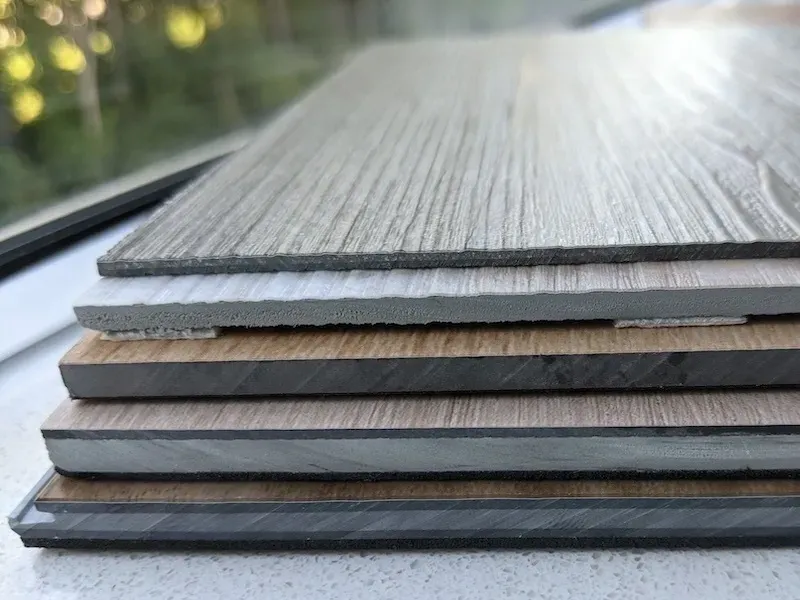
Why its important to choose the right product specifications for luxury vinyl flooring?
Choosing the right product specifications for luxury vinyl flooring is more than just a technicality decision; it is pivotal to achieving market success. In a market where consumer preferences are continually changing, it is critical for flooring brands and flooring distributors to understand their target audience thoroughly. Different specifications can cater to different market segments, influencing consumer perceptions and purchasing decisions.
The importance of proper specifications cannot be overstated. Higher-quality materials may drive up costs, but they also lead to enhanced performance and longevity. Conversely, opting for lower-grade specifications might save on initial investments but can result in dissatisfied customers and increased complaints over time. Therefore, a well-thought-out strategy is essential not only for immediate sales but also for long-term brand trust and loyalty.
Furthermore, tailored specifications allow brands to differentiate themselves in a crowded marketplace. With so many options already available to consumers, the ability to offer unique features, patterns, and grade of flooring can set a brand apart from its competitors. Understanding how to effectively communicate these advantages to consumers is crucial for creating a distinctive brand identity.
Consumer Expectations and Market Trends
Consumers today are more informed than ever, often conducting extensive research before making a purchase. They expect flooring solutions that not only look good but also withstand daily wear and tear. By aligning product specifications with these expectations, brands can capture consumer inche and facilitate purchasing decisions.
Market trends also play a significant role in determining what specifications are most desirable. For instance, with a growing emphasis on sustainability, brands that offer eco-friendly flooring options or materials are likely to attract more attention.
Balancing Cost and Quality with Product Specifications
One of the most challenging aspects of developing customized LVT flooring product portfolio is balancing cost with quality. While high-quality materials can enhance product durability and aesthetics, they often come at a premium price. Brands must assess their target market’s willingness to pay for superior products, which may vary significantly depending on demographics and location. As such, flooring brands and flooring distributors need to understand their customers’ preference and potential niche, whether they prioritize on price, design, sustainability or other flooring products aspects. With more informed information for customer demands, brands can make better decisions regarding material selection and product specifications for their LVT product collections.
Specification Explained: Structure Make Up of Luxury Vinyl Flooring Tiles
Understanding the structural makeup of luxury vinyl flooring tiles is fundamental when deciding on LVT product specifications. Each layer contributes to the overall functionality, appearance, and performance, providing several opportunities for customization. Typically, luxury vinyl flooring consists of four to five distinct layers, each serving a specific purpose.
Structure Layers and Their Functional Purposes
The primary layers include the UV acrylic coating, wear layer, print or image layer, core layer, and optional underlayment. Each layer plays a vital role in ensuring the durability and aesthetic of the flooring.
The UV Acrylic Coating acts as a protective barrier against UV damage and enhances stain resistance. This layer is crucial for maintaining the visual appeal of the flooring over time.
The Wear Layer is perhaps the most critical component, serving as the first line of defense against scratches and general wear. It protects the printed design beneath, ensuring that the flooring retains its beauty even in high-traffic areas.
The Print or Image Layer offers realistic designs, mimicking hardwood, stone, or carpet textures, adding to the overall aesthetic value of the flooring.
The Core Layer provides stability and support, playing an essential role in the flooring’s structural integrity. This layer can consist of 100% PVC or a composite mixture with calcium carbonate, affecting the flooring’s rigidity and density.
Lastly, the Underlayment, while optional, adds an extra layer of comfort and sound reduction. This layer can enhance the overall experience by providing cushioning underfoot and reducing noise levels between floors.
Importance of Layer Composition in Customization
When designing customized LVT flooring products, understanding the various layers allows brands to select materials and specifications that align with their desired performance and aesthetic goals. For example, if a brand aims to penetrate the higher-end market, investing in thicker wear layers and exclusive print designs would be crucial. Conversely, those targeting budget-conscious consumers might opt for thinner wear layers while still maintaining appealing designs.
By recognizing the significance of each layer, brands can create products that meet diverse consumer needs while showcasing their unique selling propositions.
Future Trends in Layer Composition
As technology continues to advance, new materials and innovative techniques are emerging in the luxury vinyl flooring market. Brands should remain attentive to these trends, as they could present opportunities for differentiation and improved product performance. Innovations like enhanced scratch resistance protective layer, PVC free compositions, installation technologies, and manufacturing technology are becoming more prevalent, catering to new flooring product solutions for consumers.
Staying ahead of these developments can give brands a competitive edge and position them as leaders within the industry.
Design your own specifications for your brand and product portfolio
Creating customized specifications for LVT flooring involves a systematic approach, allowing brands to develop a unique product that aligns with their market positioning. The process begins with understanding their audience and culminates in a finalized product ready for launch.
Steps to Create Customized Specifications for LVT
Designing a successful product specification requires thoughtful consideration and strategic planning. Here are some key steps for brands looking to develop their unique specifications:
1. Selecting the Type of Vinyl Floor Core (LVT/SPC)
Selecting the appropriate type of core is foundational to your customized specifications. The two primary options, Luxury Vinyl Tile (LVT) and Stone Plastic Composite (SPC), each offer distinct benefits.
LVT is composed entirely of PVC, providing a softer touch and sound insulation. This makes it suitable for residential environments where comfort is a priority. Meanwhile, SPC combines PVC with calcium carbonate, resulting in a denser, more rigid product. SPC is ideal for commercial applications where durability is paramount.
When choosing between LVT and SPC, brands must evaluate their target market’s requirements and preferences. Consumers seeking warmth and comfort may lean towards LVT, while those needing robust performance might prefer SPC.
2. Selecting Print Layer Designs
The print layer design is a crucial element that shapes the overall aesthetic of the flooring. Brands must carefully consider their target demographic’s tastes and preferences when selecting designs.
Engaging with designers can yield unique patterns that elevate a brand’s offerings. Exclusive, handcrafted designs can reinforce a premium brand image, whereas widely recognized patterns can expedite collection launches.
Recognizing prevailing design trends is equally important. For instance, natural wood and stone looks are currently in demand. By staying attuned to these trends, brands can increase their chances of appealing to potential customers.
3. Choosing Installation Methods
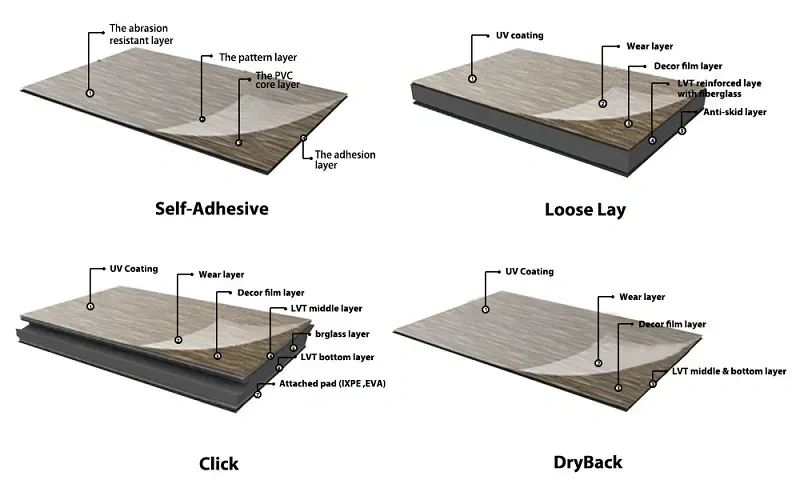
The method of installation can significantly impact the ease of use, longevity, and maintenance of the flooring. There are multiple installation methods to consider, including Glue Down, Loose Lay, Click & Lock, and Self-Adhesive options. Each method has its unique characteristics and suitability for various settings.
Brands should evaluate the pros and cons of each option, considering factors such as installation time, required tools, and post-installation care. A simple installation can be a strong selling point for DIY enthusiasts, while more complex methods may appeal to professional installers.
4. Select Pave Style and Decide Tile Dimension Size
When it comes to customized LVT flooring, selecting the pave style and tile dimensions plays a critical role in defining the final appearance and usability of the product. These specifications not only influence how the flooring will look in a space but also how it will fit into various design schemes.
4.1 Exploring Different Pave Styles
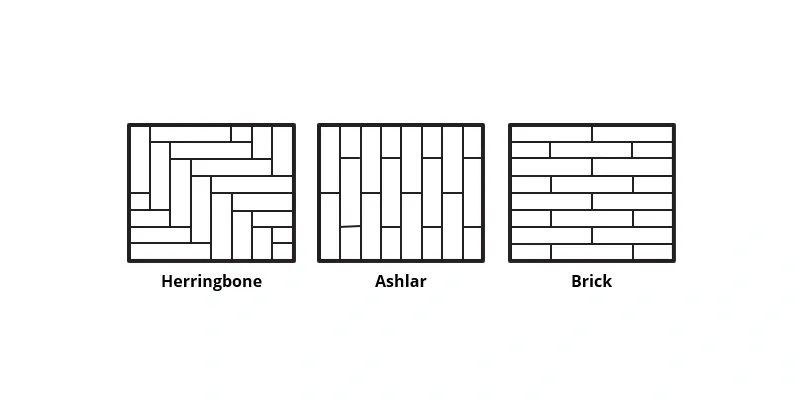
Pave styles refer to the arrangement and layout of tiles, which can dramatically affect the visual impact of a room. Common pave styles include herringbone, staggered, and linear layouts.
The Herringbone Style is known for its timeless elegance and classic charm. This style creates a dynamic visual pattern, making it a popular choice for traditional and contemporary designs alike.
The Staggered Layout offers a more relaxed and casual feel, distributing visual weight evenly across the space. This style works particularly well in larger rooms, where the eye can travel seamlessly across the flooring.
On the other hand, Linear Layouts emphasize clean lines and symmetry, contributing to a modern aesthetic. This style is highly versatile and works exceptionally well in minimalist spaces.
4.2 Deciding Tile Dimensions
In addition to pave style, tile dimensions can greatly influence the overall look and feel of the flooring. Larger tiles can create a sense of spaciousness, making them ideal for expansive areas, whereas smaller tiles can add detail and texture to smaller rooms.
When selecting dimensions, brands must consider practical aspects like installation time and labor costs. Larger tiles often require less grout, leading to quicker installation and a cleaner aesthetic.
Ultimately, the choice of tile dimensions should complement the selected pave style, enhancing the overall design narrative while meeting the functional needs of the space.
4.3 Impact of Pave Style and Tile Size on Consumer Preferences
Consumer preferences for pave styles and dimensions can vary considerably based on personal tastes, design trends, and regional influences. Engaging with customers through surveys or focus groups can provide valuable insights into their preferences, guiding brands in their product development process.
Considering these consumer preferences can also help build brand loyalty. When customers feel their needs are being met through tailored specifications, they’re more likely to recommend the product to others, further amplifying the brand’s reach.
5. Select Wear Layers Thickness
Selecting the appropriate thickness for the wear layer is one of the most critical decisions brands face when customizing LVT flooring. The wear layer serves as a protective shield against everyday wear and tear, significantly impacting the flooring’s durability and lifespan.
5.1 Understanding Wear Layer Thickness Options
Wear layers come in varying thicknesses, each offering different performance levels. A thicker wear layer generally translates to better protection against scratches, scuffs, and stains, prolonging the product’s life.
For residential applications, a wear layer of around six mils is often sufficient, while commercial settings may require layers ranging from 20 to 40 mils, depending on foot traffic levels. Choosing the right thickness involves assessing the intended application and the expected level of foot traffic.
| Wear Layer Thickness | Performance Level |
|---|---|
| 8mil (0.20mm) | Residential use |
| 12mil (0.30mm) | Residential or light commercial use |
| 20mil (0.50mm) | Low to medium foot traffic levels |
| 28mil (0.70mm) | High foot traffic levels and rolled traffic |
| 40mil (1.0mm) | Heavy-duty commercial use |
Brands should take into account how the wear layer interacts with other components of the flooring. Thicker wear layers may necessitate adjustments in core thickness to maintain overall structural integrity, ensuring that the finished product meets performance standards.
5.2 Evaluating Performance Levels
The performance level associated with different wear layer thicknesses is crucial for brands to understand. Investing in thicker wear layers provides peace of mind for consumers, ensuring that their flooring can withstand daily use without visible damage.
Moreover, marketing the advantages of thicker wear layers can serve as an effective selling point. Educating customers about the benefits of durability and longevity can aid in overcoming price objections, particularly in competitive markets.
5.3 Communicating Wear Layer Benefits to Consumers
Effectively communicating the benefits of wear layer thickness to consumers is vital for building awareness and generating sales. Brands can leverage various marketing channels, including social media, blogs, and product packaging, to educate consumers on how the wear layer impacts their flooring choice.
Incorporating visuals, such as comparisons or demonstrations showing the effect of wear layers over time, can reinforce the message and resonate with consumers. Transparency regarding the specifications involved in producing customized LVT flooring fosters trust and encourages informed purchasing decisions.
6. Select Core Layer Thickness
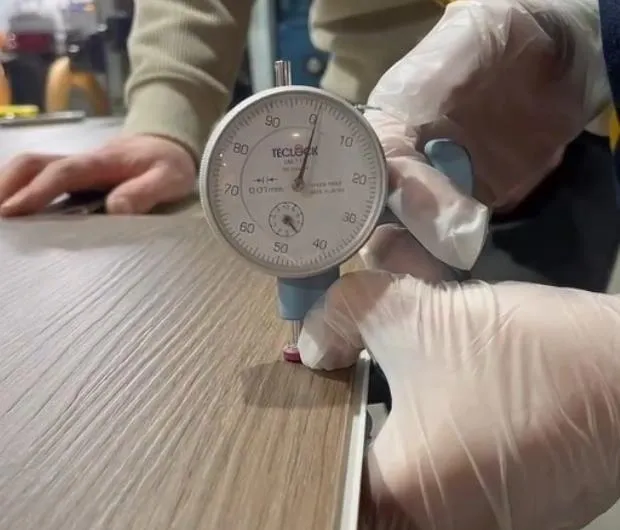
The thickness of the core layer in luxury vinyl flooring plays a crucial role in the overall stability and performance of the product. While it may not directly influence the wear life of the flooring, it significantly affects dimensional stability and resilience.
6.1 Importance of Core Layer Thickness
A thicker core layer typically enhances the flooring’s stability, particularly in environments prone to temperature fluctuations. This stability reduces the risk of curling or warping, common challenges faced by various flooring types.
For brands developing customized LVT products, understanding the interplay between core thickness and wear layer thickness is critical. Generally, experts recommend that the core layer be at least four times thicker than the selected wear layer to ensure optimal performance.
6.2 Assessing Material Composition
The composition of the core layer can vary, impacting both performance and price. Luxury vinyl tiles made entirely of PVC offer flexibility but may lack the density needed for commercial applications. Conversely, SPC flooring combines PVC with calcium carbonate, resulting in a denser product that excels in durability and stability.
Evaluating the material composition allows brands to tailor their customized flooring solutions to meet the unique needs of their target audience. For example, a brand focused on the residential market may prioritize comfort, while a commercial-focused brand may emphasize resilience and durability.
6.3 Innovation in Core Materials
As the flooring industry evolves, manufacturers continue to innovate in core materials, exploring alternatives to PVC. Emerging materials like PET and polypropylene polymers are gaining traction, providing eco-friendly options that appeal to environmentally conscious consumers.
Keeping pace with these innovations can position brands as forward-thinking leaders in the industry. Adopting sustainable practices, from material sourcing to manufacturing processes, can foster a positive brand image and strengthen customer loyalty.
7. Select Underlayment Thickness (Optional)
While the underlayment is an optional layer in luxury vinyl flooring, its selection can significantly impact the product’s comfort and acoustics. Brands aiming to offer a premium experience should consider including this layer in their customized specifications.
7.1 Understanding Underlayment Benefits
Underlayment serves multiple functions, including sound absorption and cushioning underfoot. For consumers who prioritize comfort, particularly in residential applications, an underlayment can enhance the overall experience.
Furthermore, underlayment can mitigate sound transmission between floors, making it an attractive option for multi-story buildings or shared living spaces. Brands that highlight these advantages can cater to discerning customers looking for enhanced acoustic properties.
7.2 Evaluating Material Options
Common materials used for underlayment include foamed EVA and IXPE. Each material offers distinct benefits in terms of comfort, moisture resistance, and sound absorption. Brands should assess their target audience’s preferences when selecting appropriate underlayment materials.
Another consideration is the thickness of the underlayment, which typically ranges from one to two millimeters. Thicker underlayment can provide added comfort and soundproofing but may also increase costs. Brands must weigh the benefits against budget constraints when making this decision.
Conclusion
In conclusion, designing customized LVT flooring collection involves a series of thoughtful decisions that can significantly influence a brand’s success. From selecting the appropriate specifications and understanding the product structure to tailoring pave styles and emphasizing wear layer thickness, each aspect plays a vital role in creating compelling flooring product collections for brands.
By remaining attuned to consumer niche and industry trends, brands can craft unique LVT product offerings that meet diverse needs while establishing themselves as leaders in the luxury vinyl flooring market. The journey towards private label flooring products is both complex and rewarding, ultimately culminating in products that enhance interior spaces while satisfying customer desires for durability, beauty, and performance.
Whether you’re starting from a local flooring retailers, an already established flooring brands or are looking to expand new flooring category to improve revenue generation, the information and insights provided in this guide will empower you to navigate the intricate world of resilient LVT flooring products.