The flooring industry is facing a new global era characterized by increasing environmental and social responsibilities. In response to the needs for sustainable transformation and challenges, flooring manufacturers are actively seeking innovation methods to contribute to environmental friendlier, healthier and more equitable products. In this context, there are different innovation directions which are observed by global brands and innovation institutes. These innovation directions are some of initiative approaches towards the environmental sustainability mega trends.
1. Creating Flooring using more Recycled Plastics
HMTX has developed a groundbreaking resilient flooring product that is entirely non-vinyl and follows a circular multilayer design, which stems from advancements in sustainability practices, the principles of the circular economy, and biophilic design concepts: the SRP TPU flooring.
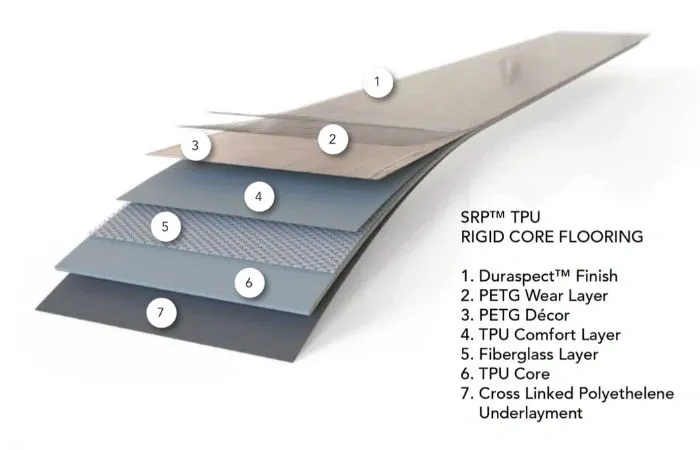
This SRP TPU flooring ingeniously repurposes plastic bottle wastes, transforming them into a novel type of circular flooring. Remarkably, two plastic PET (polyethylene terephthalate) bottles are upcycled into each square foot of this innovative sustainable flooring product. The structure of SRP flooring consists of a top layer made from PET, a core layer crafted from thermoplastic polyurethane (TPU), and a backing layer composed of cross-linked polyurethane foam. One of the standout features of SRP flooring is its ability to be ground down and reformed into engineered TPU, allowing HMTX to recycle each plank into new planks, thereby reinforcing its status as a truly circular product.
The initial launch of this flooring product is through the Mycelium Collection, which showcases 20 digitally printed stock-keeping units (SKUs) designed with biophilic elements. This collection includes planks and tiles that feature modern, distinctive wood-like appearances alongside organic abstract designs inspired by the construction and ecological impact of mycelium. The Mycelium Collection is available in two sizes: 12×24 inch tiles and 8.66×49.2 inch planks, both enhanced with a registered embossing technique to elevate their aesthetic appeal and texture.
2. Increasing Carbon Neutrality in Flooring Manufacturing
Climate change is an issue that cannot simply be brushed aside or overlooked. As Tim Conway, the Vice President of Commercial Sustainability at Shaw Contract, aptly stated, adopting a neutral stance on this matter is not an option.
In light of Shaw’s commitment to mitigating its environmental footprint, the company has made significant strides in reducing its energy consumption and greenhouse gas emissions. Since establishing a baseline in 2010, Shaw has successfully decreased its Scope 1 and Scope 2 emissions by an impressive 60%. The ambitious target set by the company is to achieve net-zero operations by the year 2030.
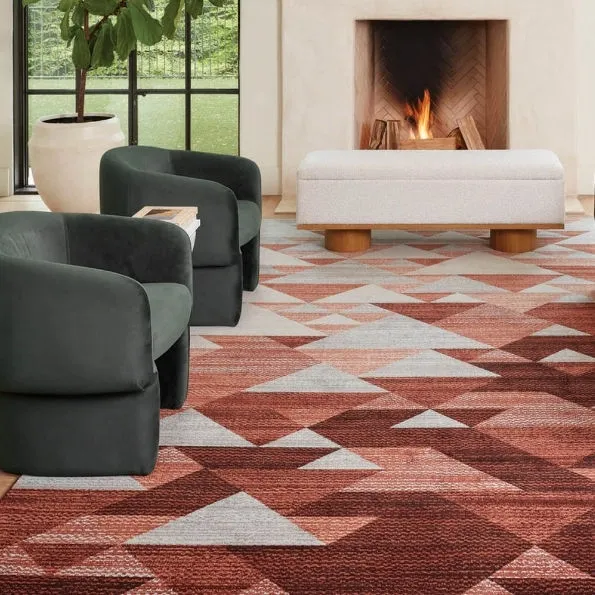
While pursuing these sustainability goals, Shaw Contract has also been expanding its perspective on sustainable design and manufacturing practices, particularly considering how cultural elements shape the environments we inhabit. Design possesses a remarkable ability to foster culture and build connections among individuals by crafting spaces that encourage social interaction. The newly launched Cultura Collection exemplifies this philosophy, celebrating the diverse ways in which we bond and find harmony through shared experiences, empathy, and mutual understanding.
The Cultura Custom Collection features a wide array of patterns and construction techniques that can be creatively combined and layered throughout various settings such as lobbies, public areas, corridors, and guest rooms. This thoughtful approach to design aims to create interiors that provoke contemplation, inspire creativity, or provide moments of quiet reflection, ultimately enhancing the overall experience for those who occupy these spaces.
3. Enhancing Indoor Air Quality
Tarkett has collaborated with Dr. John McKeon, the Chief Executive Officer of Allergy Standards Limited, to explore how flooring materials influence the quality of air within interior spaces. As respiratory illnesses continue to rise among the American population, studies indicate that these health issues tend to disproportionately impact vulnerable and disadvantaged communities. Given that individuals in the United States generally spend about 90% of their time indoors, maintaining good indoor air quality becomes essential for effectively managing conditions such as asthma and allergies.
However, it is important to note that not everyone enjoys equal or fair access to clean and healthy air. Research suggests that as much as 80% of health outcomes can be attributed to environmental factors and the behaviors exhibited by people within those environments.
In response to these challenges, the Indoor Air Innovation and Research Academy is actively engaged in teaching design thinking methodologies, journey mapping techniques, and patient-centered design principles aimed at enhancing the quality of life for individuals.
Dr. John McKeon emphasizes the significant connection between our surroundings and our health, stating, “We know that our environments impact our health.” He points out that while a person responsible for procurement may not hold titles such as surgeon, nurse, or meditation coach, their choices regarding flooring or air conditioning systems play a crucial role in shaping, constructing, operating, and maintaining our built environments. These decisions ultimately have a profound effect on health outcomes. The consequences of their selections resonate throughout the entire supply chain. For instance, in a business-to-business (B2B) or workplace context, the methods we employ for ventilation, cleaning, and ensuring a safe working environment extend beyond mere facilities management; they also intersect with human resources management considerations.
4. Repurposes Ocean Plastic Waste into Floorings
The issue of plastic pollution has reached alarming levels and is becoming an increasingly serious global crisis. The production of plastic has surged to unprecedented heights, resulting in billions of pounds of plastic waste finding its way into the oceans each year. In response to this pressing environmental challenge, Benchwick, which operates as a subsidiary of Northann Corp., has initiated a commendable effort aimed at addressing the problem of ocean plastics. They have developed a product known as Blue 11, an ultra-light rigid core flooring featuring a core that consists of 80% recycled materials sourced from ocean plastic.
Recycled ocean plastic refers to the material that is derived from plastic waste collected directly from the oceans and waterways. This process involves retrieving the discarded plastic, thoroughly cleaning it, and then processing it for potential reuse. According to Lin Li, the CEO of Benchwick, this initiative not only helps in reducing plastic waste but also contributes positively to the environment by repurposing materials that would otherwise contribute to pollution.
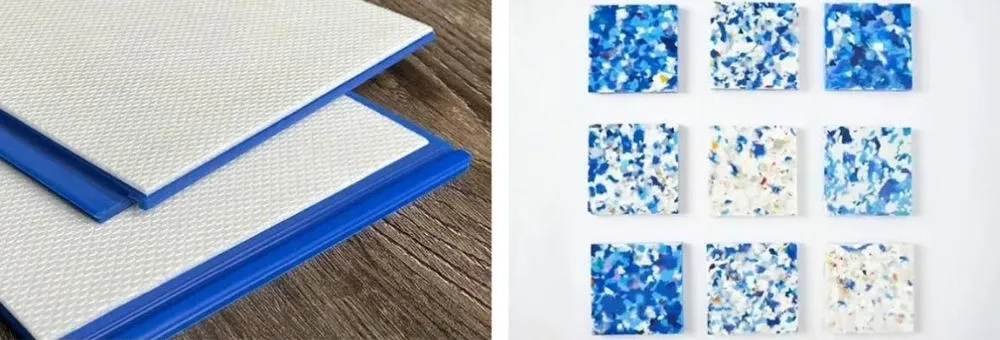
The Blue 11 flooring planks are designed with a locking click, making them easy to install, and they come with an attached recyclable foam underlayment. One of the standout features of this product is that it is entirely recyclable and has been designed to be carbon neutral, meaning that its production and lifecycle do not contribute to an increase in carbon emissions. This innovative approach represents a significant step forward in the fight against plastic pollution and demonstrates how companies can play a role in creating sustainable solutions.