Discover the latest Sustainable Flooring Innovations in materials and manufacturing that transform the industry. Moreover, these advances promote eco-friendly practices and set new standards for durability and performance.
Innovations in Sustainable Flooring Materials and Manufacturing Processes
1. Overview of Sustainable Flooring Innovations
Sustainable Flooring Innovations have emerged as a vital component in reducing the environmental impact of construction and interior designs. The flooring industry is undergoing significant transformations to meet the increasing consumer demand for eco-friendly options. Innovations in manufacturing processes are enhancing the recyclability of materials. They also support circular economy principles where waste is minimized and products are designed for reuse and recycling. Additionally, eco-labels and certifications are gaining traction. They empower consumers to make informed choices regarding sustainable flooring alternatives.
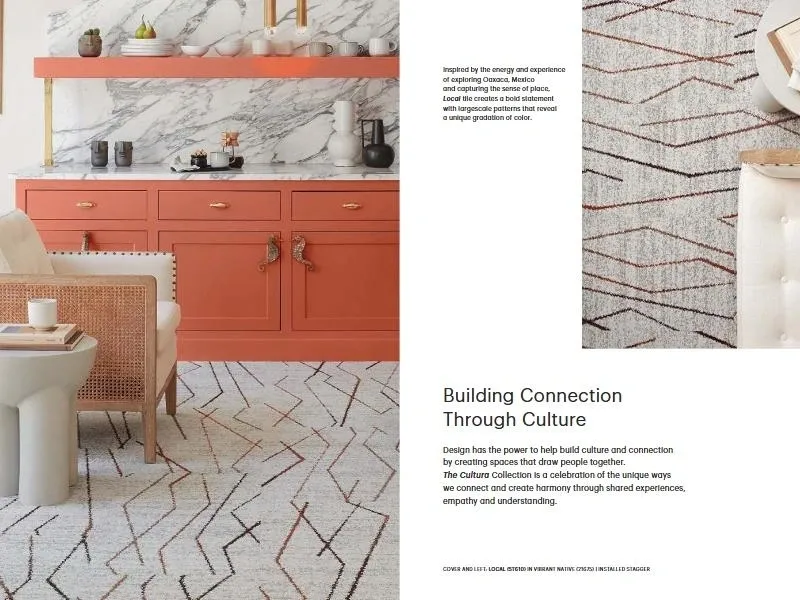
For instance, companies are heavily investing in research and development to create a broader variety of sustainable materials, such as Shaw Contract’s Cultura Carpet Collections, which emphasizes thoughtful design while achieving a 60% reduction in emissions since 2010. This commitment to sustainability reflects a shift in the industry towards responsible practices that prioritize both environmental impact and consumer health.
2. Emerging Sustainable Materials
The exploration of innovative sustainable materials is revolutionizing the flooring market, with soil emerging as a significant contender. Soil-based flooring not only reduces reliance on conventional materials but also helps lower carbon footprints, showcasing an eco-friendly alternative. At the same time, flooring companies such as HMTX are transforming upcycled plastic bottles into their SRP TPU flooring, creating a product that is fully recyclable and part of a circular design philosophy.
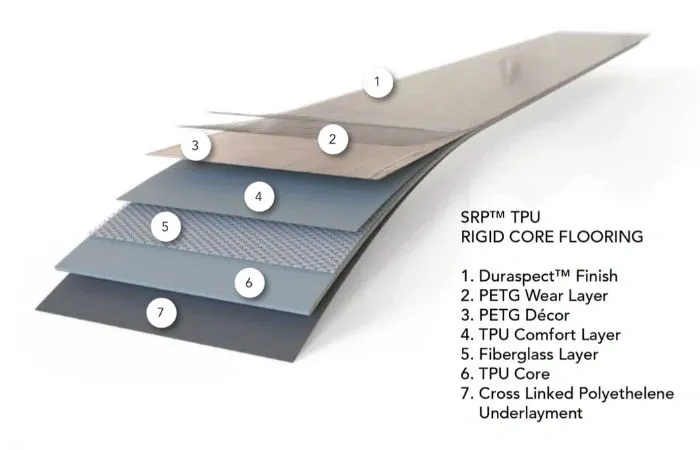
Other sustainable materials such as bamboo, cork, and reclaimed wood offer durability. They emphasize eco-friendliness and provide unique aesthetic benefits to spaces. These materials contribute to Sustainable Flooring Innovations by expanding eco-friendly choices. They are suitable for homes and workplaces, remaining versatile and visually appealing.
Linoleum, made from natural components, serves as a biodegradable alternative. It offers a low-impact option for flooring and adds to sustainable choices. Its ongoing popularity reflects a broader shift toward materials that are both practical and environmentally responsible.
Mycelium-based materials, derived from fungi, are gaining popularity for their sustainable properties and strength. They indicate a promising future for innovative flooring solutions. As researchers refine production, these bio-based options could complement traditional materials. They could be used in both commercial and residential spaces.
3. Advanced Manufacturing Processes
Manufacturing processes in the flooring industry are advancing to support sustainability goals significantly. For example, closed-loop facilities, like those operated by Mohawk Group, have achieved a 45% reduction in embodied carbon compared to industry averages, showcasing a clear commitment to reducing environmental impact. Innovative techniques enhance both the durability and aesthetic appeal of sustainable materials, such as soil-based flooring, ensuring a viable option for consumers.
Furthermore, companies are increasingly adopting transparent supply chain practices, which ensure that sourcing is sustainable and ethical. Digital printing technologies also contributes for improved customizable designs, reducing waste in production and catering to individual consumer preferences. Automation in manufacturing is another trend that not only increases efficiency but also diminishes the overall environmental footprint of flooring production.
4. Health and Environmental Benefits
Sustainable Flooring Innovations reveal health and environmental benefits that are becoming more evident as the industry evolves.
Additionally, Tarkett has launched products like Color Pop luxury vinyl tile. The tile is made from 30% pre-consumer recycled content and certified for low indoor air impact.
Low-VOC flooring materials significantly improve indoor air quality. They also reduce allergens for sensitive populations.
Moreover, sustainable flooring can contribute to energy efficiency in buildings by providing better insulation properties, ultimately leading to lower energy consumption and reduced utility bills. Shaw Contract’s commitment to achieving net-zero emissions by 2030 underscores the industry’s dedication to sustainability and its impact on public health and the environment.
5. Future Trends in Sustainable Flooring
Looking towards the future, the flooring industry is set to focus on merging sustainability with technology and design, offering diverse eco-conscious options that cater to various consumer needs. Trends such as acoustic optimization are becoming increasingly important in multi-family and commercial spaces, where noise pollution reduction is essential. Customizable flooring patterns and 3D designs are gaining popularity, enhancing both residential and commercial aesthetics while allowing for personal expression.
Moreover, the rise of hybrid flooring options reflects a shift toward more versatile and resilient flooring solutions.
These options combine various materials for improved durability and functionality.
As the industry trend continues to move towards more sustainable flooring options, the increasing market demand for eco-friendly flooring is expected to be grow.